

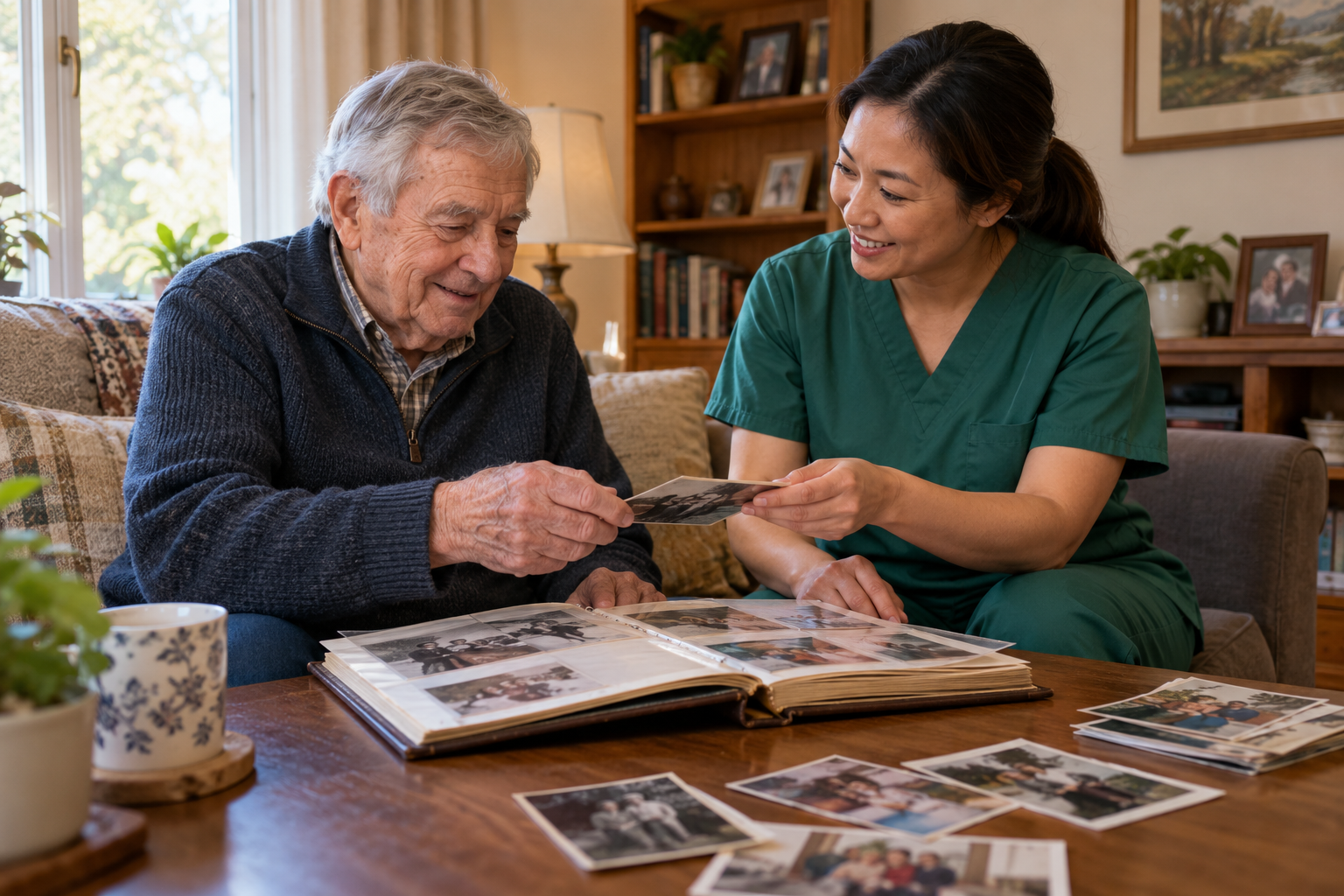
Independence can mean something different to every person. For one individual, it may mean preparing breakfast in their own kitchen. For another, it may mean choosing what to wear, maintaining a favorite daily routine, or getting out for an appointment. When families consider home care Schaumburg, IL, dedicated caregivers can provide an appropriate level of assistance while helping individuals continue making choices, participating in familiar activities, and maintaining greater control over everyday life.
At Casa Care, Inc., we believe support should respect the individual rather than simply focus on completing a list of tasks. Our approach places each person’s needs, preferences, comfort, dignity, and routines at the center of care. By taking time to understand what matters to each client, we can provide personalized nonmedical assistance that complements existing abilities and helps families feel more confident about the support their loved one receives.
What Does Daily Independence Really Mean?
Daily independence does not necessarily mean doing everything without assistance. It can mean remaining involved in choices, routines, and activities while receiving help in areas that have become difficult.
For example, someone may enjoy choosing meals but benefit from assistance preparing them. Another person may want to select clothing while receiving help with dressing or grooming. Someone else may value attending appointments or running errands but need reliable transportation.
In each situation, thoughtful caregiving can preserve participation rather than unnecessarily replacing it.
Independence Looks Different for Every Person
There is no single definition of an independent day. Personal abilities, routines, interests, and preferences vary widely, which is why individualized support matters.
One client may want companionship during walks or favorite activities. Another may appreciate help preparing lunch before spending the afternoon reading. Someone experiencing memory-related changes may benefit from reminders and a predictable routine.
The goal is to understand what a person can comfortably do, where assistance may be useful, and which parts of daily life are especially meaningful.
This person-centered approach can also protect an important part of independence that is sometimes overlooked: choice. Being able to express preferences about meals, clothing, activities, schedules, and everyday routines can help someone remain actively involved in their own life.
How Do Caregivers Make Everyday Routines More Manageable?
Dedicated caregivers can make daily routines more manageable by providing practical nonmedical assistance where it is needed while encouraging clients to participate according to their abilities and preferences.
Everyday activities can become more challenging because of mobility limitations, memory changes, reduced energy, or other circumstances. Over time, those difficulties may affect routines that were once simple.
Our in-home care services can provide assistance with personal care, meal preparation, companionship, transportation, errands, medication reminders, and light housekeeping.
Here are examples of how support can fit naturally into everyday life:
| Daily routine | Personalized caregiver support |
|---|---|
| Getting ready | Assistance with bathing, dressing and grooming |
| Preparing meals | Help with cooking and meal preparation |
| Staying connected | Conversation, activities and companionship |
| Leaving home | Transportation for appointments and errands |
| Household routines | Assistance with light housekeeping |
| Remembering routines | Medication reminders and everyday prompts |
The key is providing an appropriate level of assistance rather than assuming everyone requires the same support.
Support Can Complement Existing Abilities
When possible, caregiving can build around what an individual already does comfortably.
For example, a client who enjoys preparing meals may still choose ingredients or participate in simple preparation while a caregiver assists with more difficult parts of the process. Someone who values getting ready independently may need help with only certain personal care tasks.
This distinction matters because completing a task for someone and supporting someone as they participate in a task are different approaches.
Our role is to provide assistance while respecting the individual’s preferences, abilities, dignity, and established routines. This balance can make support feel less like someone taking over and more like having dependable help available when needed.
Personalized Caregiver Relationships Support Everyday Comfort
Caregiving involves more than household and personal care tasks. A consistent, compatible caregiver can become familiar with a client’s preferences, communication style, interests, and normal routines, helping assistance feel more personal.
Familiarity develops over time. A caregiver may come to understand how someone prefers breakfast prepared, when they like to start the day, what activities they enjoy, or how much assistance they prefer with a particular routine.
These details may appear small, but together they shape the caregiving experience.
Why Does Caregiver Matching Matter?
Caregiver matching matters because successful home care involves both practical assistance and a personal relationship. Needs, personality, preferences, and communication styles can all influence how comfortable that relationship feels.
We believe compatibility should be considered alongside the assistance a client requires. Our approach includes matching clients with compassionate caregivers according to their individual needs.
A comfortable relationship can also create opportunities for meaningful companionship. Conversation, reading, walks, games, errands, and shared interests can bring social connection into an ordinary day.
Meanwhile, clear communication with families can help everyone understand current routines and recognize when the care plan may need adjustment.
Families considering care may find it useful to review our approach and values to understand how respect, compassion, transparency, and communication shape the support we provide.
Flexible Support Can Change with Individual Needs
Care needs can change, so a personalized care plan should be flexible enough to respond while continuing to respect established routines and preferences.
A person who initially needs transportation and help with errands may later benefit from meal preparation, personal assistance, or additional companionship. Likewise, family schedules may change because of work, travel, appointments, or other responsibilities.
Flexible hourly support can accommodate these differences without expecting every client to follow the same schedule.
Finding the Right Balance of Assistance
More assistance is not automatically better assistance. The appropriate level of care depends on what an individual needs at that point in time.
A thoughtful care plan considers areas where support may be useful while recognizing abilities the client wants to continue using. As circumstances change, that balance can be revisited.
For family caregivers, professional support can also create time to manage other responsibilities, rest, or simply spend time with a loved one without every interaction revolving around caregiving tasks.
Families who occasionally need time away from caregiving responsibilities can also consider respite care support. This type of assistance can provide continuity for the person receiving care while giving family caregivers time for other priorities.
Key Takeaways About Caregiving and Independence
Independence and assistance do not have to be opposing ideas. Thoughtful support can help an individual remain involved in everyday routines while receiving help where it is useful.
Personalized care considers abilities, preferences, routines, and individual needs rather than using the same approach for everyone. Consistent caregivers can also become familiar with the small details that make someone’s day feel comfortable and recognizable.
Finally, flexibility matters. The amount and type of assistance that works today may need to change later. A care plan that can adapt allows support to evolve alongside the individual.
Frequently Asked Questions About Supporting Independence at Home
Can someone remain independent while receiving home care?
Yes. Independence can include making choices, participating in routines, and continuing activities with appropriate assistance. Nonmedical home care can support these goals by helping with tasks that have become challenging while respecting the individual’s existing abilities.
What daily activities can a caregiver assist with?
Depending on the person’s care plan, caregivers may assist with bathing, dressing, grooming, meal preparation, transportation, errands, medication reminders, light housekeeping, companionship, and other everyday nonmedical needs.
Can care change if someone’s needs change?
Yes. Personalized care can be adjusted as routines, schedules, and support needs evolve. A person may begin with help in a few areas and later benefit from additional assistance.
How can families choose an appropriate level of support?
Families can start by identifying which activities the person handles comfortably, which tasks have become difficult, and which routines are most important to preserve. A personalized assessment can then help shape an appropriate care plan.

Supporting Independence One Day at a Time
Dedicated caregiving is most meaningful when it supports abilities, choices, relationships, and familiar routines rather than simply taking over everyday tasks. Personalized assistance can help someone continue participating in meals, personal routines, activities, errands, and meaningful moments while receiving dependable help where it is needed. For families considering home care Schaumburg, IL, Casa Care, Inc. takes time to understand each client’s individual needs and match compassionate support to the life they want to continue living. Call (224) 238-7171 to schedule a free in home consultation and discuss a personalized care plan designed to support comfort, confidence, meaningful routines, and greater daily independence.
