

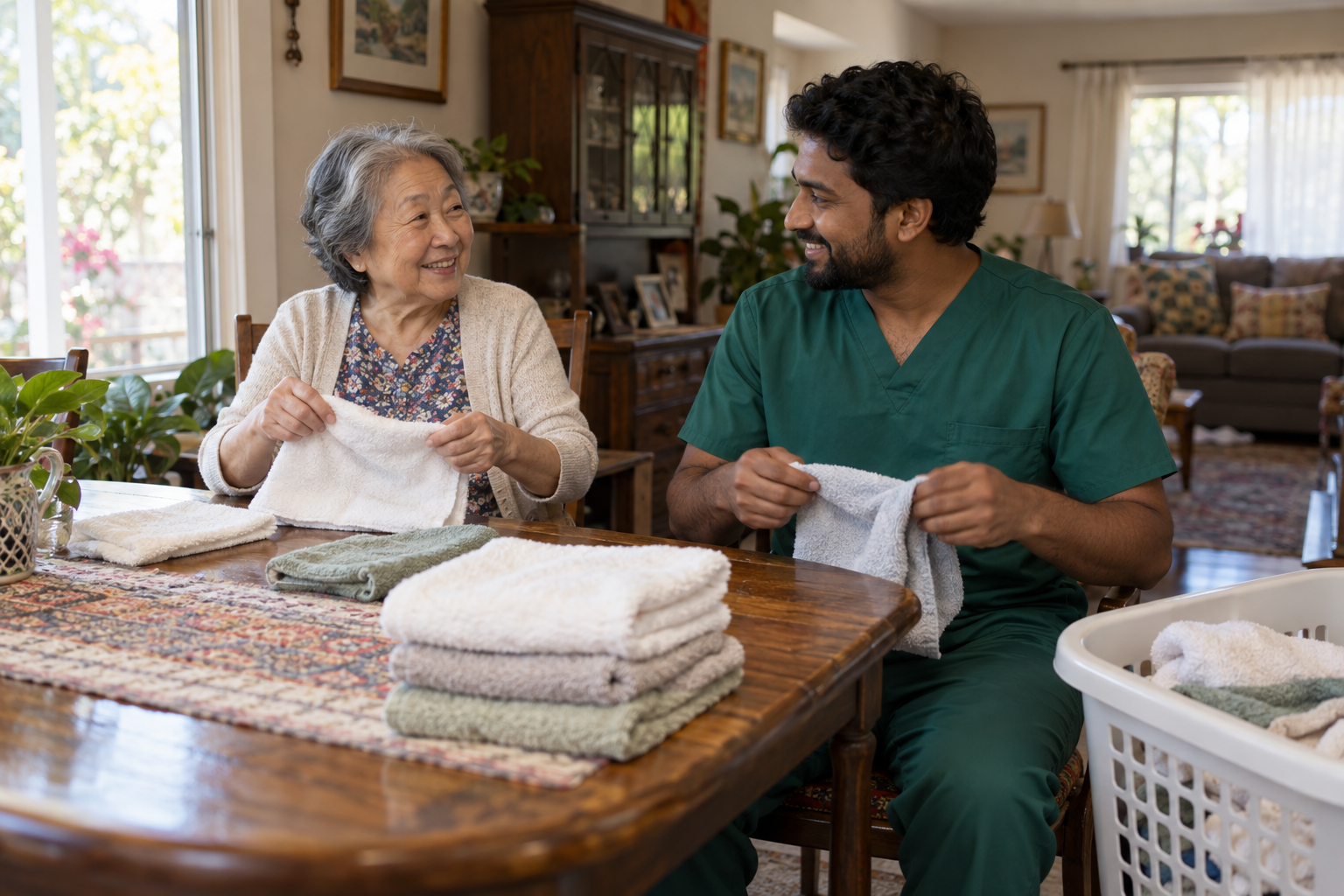
Trust is one of the most important parts of inviting a caregiver into someone’s daily life. Families want to feel confident that their loved one will receive respectful, dependable assistance, while clients want to know that their routines, preferences, choices, and independence will be valued. When families consider home care Hoffman Estates, IL, reliability can provide a strong foundation for a caregiving relationship that feels comfortable, supportive, and personal.
At Casa Care, Inc., we believe trust develops through consistent actions. It comes from listening carefully, respecting individual preferences, communicating openly, and providing assistance with compassion. Our YOU First Attitude reflects our commitment to placing each client’s needs at the center of care. Rather than approaching caregiving as a checklist of tasks, we focus on the individual and the routines that help make each day familiar and meaningful.
Why Does Reliability Matter in Daily Care?
Reliable caregiving provides dependable assistance around the routines and activities that matter to an individual. When clients know what to expect, everyday support can become a more natural part of life at home.
Many people rely on familiar routines throughout the day.
- morning grooming
- meals
- medication reminders
- household activities
- errands
- appointments
- and time for favorite activities can all provide structure.
When someone begins needing help with these activities, consistency can make the transition to receiving assistance more comfortable.
Familiar Routines Can Create Greater Comfort
Reliability does not mean every day needs to look exactly the same. Instead, it means support can be dependable while still allowing room for personal choices and changing needs.
A client might prefer breakfast at a particular time but choose something different to eat each morning. Someone may usually enjoy a walk or conversation in the afternoon but decide to spend a quiet day reading instead.
Good support leaves room for those choices.
Over time, familiar routines and repeated interactions can also help the caregiver understand what makes the client comfortable. These details can turn practical assistance into a relationship built around the person rather than simply the tasks being completed.
Personalized Assistance Builds Stronger Relationships
Personalized assistance starts with understanding that no two people have exactly the same needs, abilities, personalities, or preferences. Care should therefore respond to the individual instead of expecting every client to follow the same routine.
One person may need assistance with showering, dressing, and grooming. Another may benefit primarily from meal preparation, transportation, errands, or light housekeeping. Someone experiencing memory related changes may appreciate additional reminders and structure throughout the day.
Our nonmedical care services include support such as companionship, personal care, transportation, meal preparation, medication reminders, errands, transferring, and everyday household assistance.
The right combination depends on the person.
| Everyday need | How personalized assistance may help |
|---|---|
| Morning routine | Help with bathing, dressing and grooming |
| Meals | Assistance with preparation while respecting preferences |
| Getting around | Transportation for appointments and errands |
| Household routines | Help with light housekeeping and everyday tasks |
| Daily reminders | Support with established routines and medication reminders |
| Social connection | Conversation, activities and companionship |
Why Does Caregiver Compatibility Matter?
Caregiver compatibility matters because home care is both practical and personal. A caregiver enters someone’s private space, participates in daily routines, and may spend meaningful time with the client.
When a caregiver and client are well matched, they have an opportunity to develop familiarity through conversation, shared activities, and everyday interactions.
A caregiver may gradually become familiar with the client’s interests, communication preferences, favorite meals, preferred schedule, and normal routines. That knowledge can help care feel less transactional and more personal.
Our approach to personalized care reflects values that include respect, transparency, compassion, and communication. Caregiver matching is part of creating support that considers the person as well as the assistance they need.
How Does Communication Help Families Build Confidence?
Clear communication helps families understand the care routine, share important preferences, and discuss changing needs. It creates an opportunity for clients, families, and caregivers to stay aligned around the individual’s support.
Family members often have questions when arranging assistance for someone they love. They may wonder how a new routine will work, whether their loved one’s preferences will be respected, or how care can change if additional support becomes useful.
Open communication can make those conversations easier.
Families can share information about established routines, favorite activities, preferences, and areas where assistance is most helpful. Caregivers, meanwhile, can pay attention to the details that shape the client’s everyday experience.
Communication Becomes Especially Important as Needs Change
Care needs are not always static.
Someone who initially benefits from companionship and transportation may later need more assistance with meal preparation or personal routines. Family circumstances can change as well because of work, travel, or other responsibilities.
A personalized care plan can evolve as circumstances change while continuing to keep the client’s comfort, dignity, preferences, and independence in focus.
Families who need temporary support can also consider respite care services. Professional assistance may give family caregivers time to manage other responsibilities while their loved one continues receiving support with familiar routines.
This can also change the way families spend time together. When relatives do not have to manage every household or caregiving task themselves, visits may include more time for conversation, shared activities, and connection.
Everyday Support Can Encourage Personal Independence
Receiving assistance does not automatically mean giving up independence. Appropriate support can help a person continue participating in choices and everyday activities while receiving help with tasks that have become challenging.
For instance, a caregiver might assist with meal preparation while the client chooses what they would like to eat. A person may select an outfit while receiving help with dressing. Transportation assistance may make it easier to continue attending appointments or completing errands.
In each case, the individual remains involved.
Supporting Abilities Instead of Automatically Taking Over
A useful question in personalized caregiving is not simply, “What can we do for this person?” It is also, “What does this person want to continue doing?”
That difference can shape the entire care experience.
If someone can comfortably participate in part of an activity, assistance can complement that ability. A caregiver can provide support with the difficult portions while respecting what the individual prefers to handle independently.
This approach recognizes that independence exists on a spectrum. Someone can receive meaningful assistance and still make decisions, express preferences, participate in routines, and remain engaged in daily life.
Companionship Adds a Personal Dimension to Reliable Care
Practical support is important, but daily care is not only about tasks. Companionship can add conversation, shared activities, and meaningful social interaction to the caregiving relationship.
An ordinary afternoon might include talking over a cup of coffee, reading, taking a walk, playing a game, or participating in another favorite activity.
These moments can help a caregiver learn more about the client’s personality and interests. At the same time, the client has opportunities for engagement that fit naturally into the day.
Our companion care and personal assistance can be shaped around individual interests and routines rather than following an identical schedule for everyone.
Reliability therefore has both a practical and personal side. It means providing expected assistance, but it can also mean becoming a familiar presence who understands how the client prefers to spend their time.
Key Takeaways About Reliable Daily Assistance
Reliable caregiving is built through repeated, respectful actions. Consistency can help clients know what to expect, while personalized routines allow assistance to fit more naturally into everyday life.
Trust also depends on communication. Clients and families should be able to express preferences and discuss changing circumstances so that support can evolve appropriately.
Finally, independence and assistance can exist together. Caregivers can help with challenging activities while encouraging clients to remain involved in choices, routines, and tasks according to their abilities and preferences.
Frequently Asked Questions About Reliable Home Care
What makes daily caregiver support reliable?
Reliable support combines consistency, communication, respect for routines, and appropriate assistance. A caregiver should understand the individual’s care plan while also paying attention to personal preferences and established habits.
Can a care plan change over time?
Yes. Support needs and family circumstances can change. A personalized plan can be adjusted when additional or different assistance becomes useful.
Does receiving caregiver assistance reduce independence?
Not necessarily. Assistance can be structured so the individual continues making choices and participating in activities while receiving help where needed.
What kinds of daily activities can nonmedical caregivers support?
Depending on the individual’s care plan, nonmedical caregivers may assist with personal care, meal preparation, companionship, transportation, errands, medication reminders, light housekeeping, transferring, and other everyday routines.

Building Trust One Day at a Time
Reliable care is built through many small actions performed consistently and respectfully. Dependability, communication, personalized routines, caregiver compatibility, and compassionate relationships can help clients feel more comfortable receiving assistance while continuing to make meaningful choices about their lives. For families considering home care Hoffman Estates, IL, these qualities can provide an important foundation for confidence in everyday support. At Casa Care, Inc., we take time to understand each person’s routines, preferences, and individual needs before shaping assistance around what matters to them. Call (224) 238-7171 to schedule a free in-home consultation and speak with our care team about a personalized care plan designed to support comfort, dignity, independence, and dependable assistance at home.
